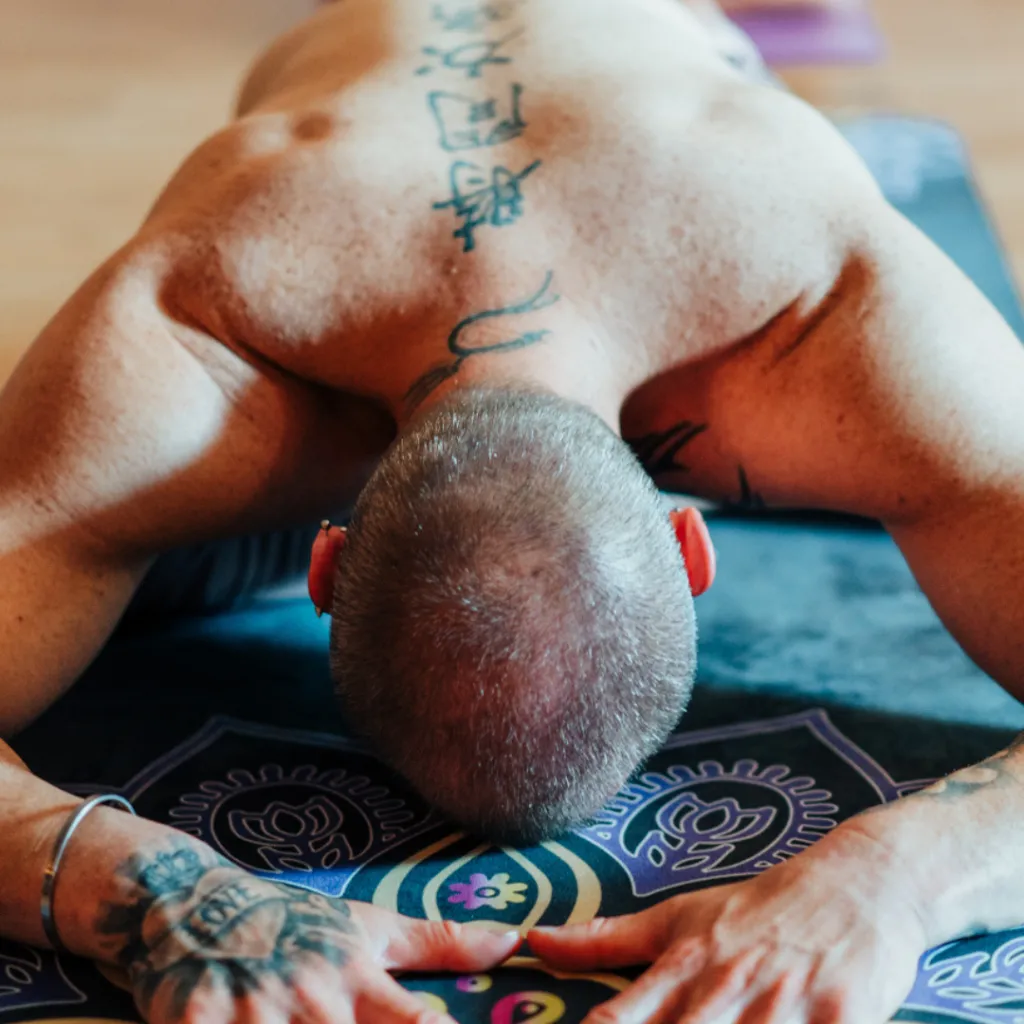
Flexible Body, Flexible Mind: What Stretching Teaches Us About Releasing Tension
In a world that moves fast, tension builds quietly—tight shoulders, clenched jaws, racing thoughts. We store stress in our muscles, often without even realising it. But what if we told you that flexibility isn’t just a physical quality, but a mindset—and stretching is your entry point to both?
The Mind-Body Mirror
Our bodies and minds are deeply connected. When you’re stressed, your breath shortens and your body tenses. When you’re relaxed, your muscles soften and your breath deepens. This isn’t a coincidence—it’s how the nervous system communicates. Stretching, especially when practiced with intention, becomes a physical way to interrupt stress and create space.
Just like your hamstrings need time and breath to open, your mental patterns need the same care to shift. The more you practice softening in your body, the more your mind learns to let go, too.
The Science Behind the Stretch
Stretching activates the parasympathetic nervous system—your body’s “rest and digest” mode. This lowers cortisol, reduces anxiety, and boosts emotional regulation. Studies show that flexibility training improves body awareness, which is directly linked to improved mental clarity and emotional intelligence.
Stretching also slows you down. In a go-go-go culture, that pause is powerful. It invites you tofeel, to breathe, and to tune into what’s really going on beneath the surface.
The Psychology of Letting Go
You’ve probably heard a yoga teacher say, “The issues are in the tissues.” It’s not just a catchy phrase. Unprocessed emotions often show up as physical tightness. Hips, shoulders, and the jaw are hotspots for stress. As you stretch and breathe into those spaces, you may feel emotion surface—that’s healing in motion.
Letting go in the body is symbolic. Each exhale is an act of release. Over time, you’ll notice that you’re not just more flexible in your forward folds—you’re more adaptable in your relationships, more patient with yourself, and more resilient under pressure.
Start Here
You don’t need to twist like a pretzel to feel the benefits. Try this:
Spend 2–3 minutes in a supported child’s pose each night.
Take five deep breaths while stretching your hamstrings.
Use stretching as a chance to check in: “What am I holding onto that’s ready to go?”
This isn’t about performance. It’s about presence.
Final Thoughts
Flexibility is a by-product of softness. It’s not about pushing harder—it’s about learning to meet resistance with patience. On the mat, that looks like breath-led movement. In life, it looks like emotional maturity and mental clarity.
Stretch your body. Stretch your perspective. And watch your whole world begin to open up.
