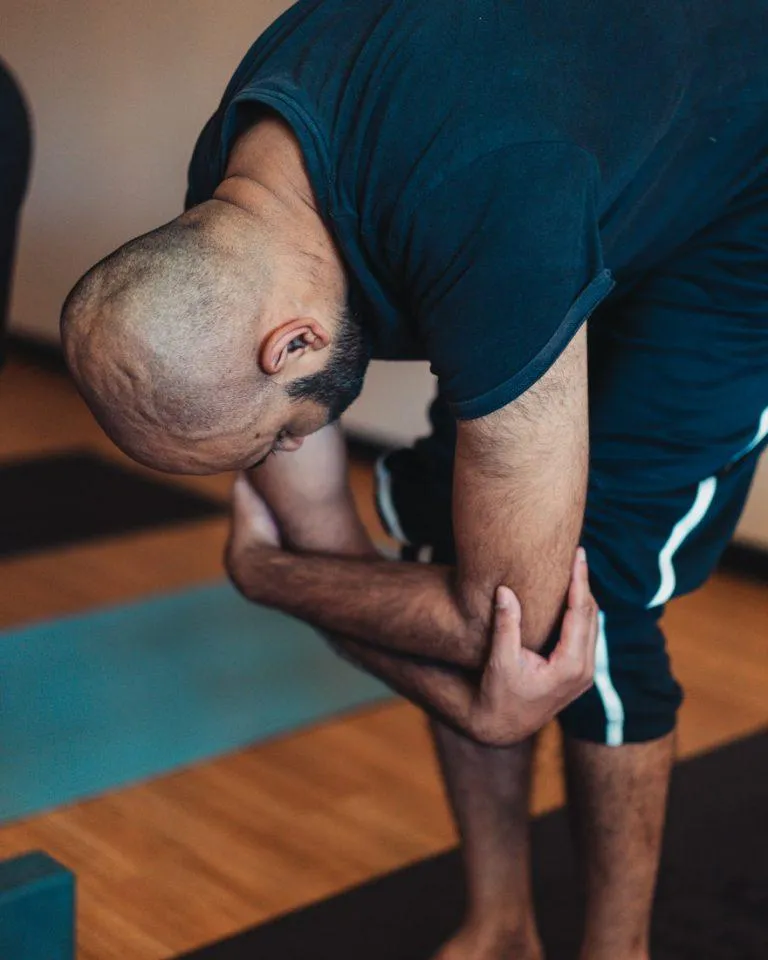
The Body Remembers: Yoga and the Science of Releasing Trauma from Your Tissues
We’ve all heard the phrase “shake it off,” but what if your body didn’t? What if that heartbreak, car accident, bullying in high school, or months of stress from a toxic workplace never truly left your system—even after your mind moved on?
Science is catching up with what yogis have known for thousands of years: the body stores trauma. And more importantly, movement, breath and presence can help you release it.
This is where yoga comes in. Not as a trendy fitness fad, but as a healing tool that allows you to process, shift, and let go—safely, intentionally and sustainably.
🧬 The Science: How Trauma Gets Stored in the Body
When you experience a traumatic event, your nervous system goes into survival mode—fight, flight, or freeze. If the stressor is resolved, your body usually returns to balance.
But when the trauma is overwhelming or ongoing (hello, modern life), your body may not complete the stress cycle. The result? Unprocessed tension gets stored in the muscles, fascia and nervous system—especially in areas like the hips, jaw, neck, shoulders, and spine.
This isn’t “woo woo.” Research in the fields of somatic psychology and neurobiology confirms that traumatic memories aren’t only stored in the brain—they live in the body. Dr. Bessel van der Kolk coined this in his landmark book The Body Keeps the Score.
Symptoms can show up as:
Chronic pain or tightness (especially hips and lower back)
Anxiety and burnout
Sleep issues or fatigue
Emotional outbursts or numbness
Hyper-independence or people-pleasing
A sense of being stuck, even when things look "fine"
Sound familiar?
🧘♀️ Why Yoga Works: Moving Through, Not Around
Yoga provides a somatic (body-based) approach to healing that goes beyond talk therapy or mindset work. In yoga, we combine conscious movement, breathwork, and mindfulness—activating the body’s natural ability to process and release stored stress.
Here’s how:
1. Slow Movement Creates Safety
Gentle, mindful movement in styles like Slow Flow or Yin Yoga helps you reconnect to your body without pushing past your limits. Trauma often makes us feel unsafe in our own skin. Yoga rebuilds that trust—at your pace.
2. Breathwork Calms the Nervous System
Every exhale tells your nervous system: you’re safe now. Techniques like Ujjayi breathing or Box breathing stimulate the parasympathetic “rest and digest” state, helping you down-regulate from chronic stress or hypervigilance.
3. Present-Moment Awareness Builds Emotional Intelligence
By focusing on what’s happening now—the sensation in your hip, the pace of your breath—you start to notice patterns. You build self-awareness. You make space to feel. And from that space, release becomes possible.
💥 Real Talk: This Isn’t About Stretching
If you’re in your 20s or 30s, here’s the truth: life is already giving you stuff to carry. Relationships, family trauma, financial stress, body image, anxiety, burnout—it builds up. And if you don’t process it, your body will store it.
Yoga isn’t about touching your toes. It’s about learning to feel again—in a world that’s constantly numbing.
It’s about creating a body that’s not just strong, but free.