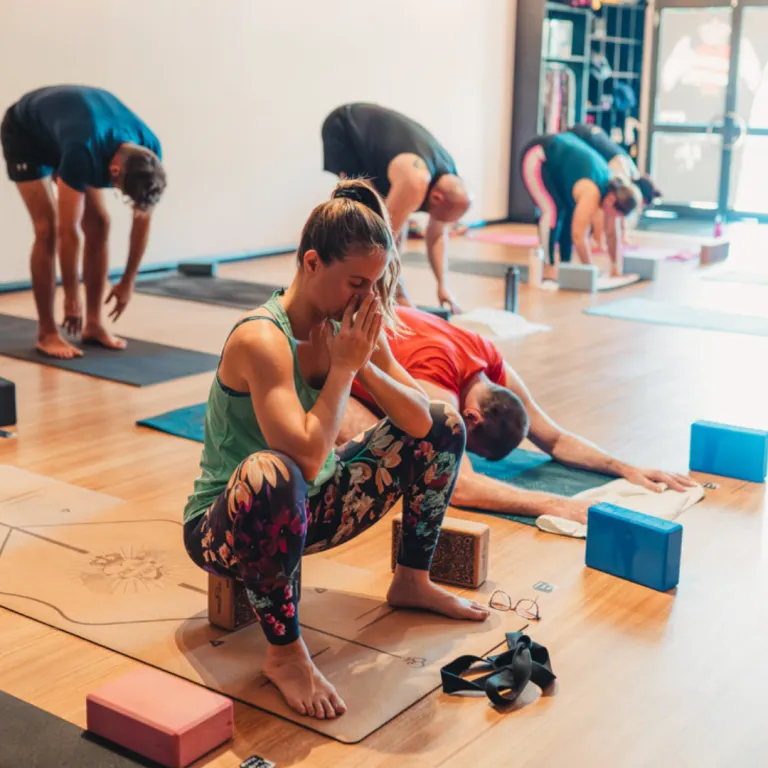
Bouncing Back: How Mindfulness Training Builds Resilience in Tough Times
In a world that moves fast and expects more, life can feel like a pressure cooker. Deadlines, expectations, heartbreaks, curveballs—they hit hard. But what if there was a skill, something simple yet powerful, that could help you bounce back faster, stay grounded, and not just survive but thrive?
That skill is mindfulness.
What Is Mindfulness, Really?
Forget the cliché of sitting cross-legged in silence for hours. Mindfulness is the ability to stay present—fully in the moment without spiralling into anxiety about the future or drowning in regret from the past.
It’s what helps you feel your feet on the ground in chaos. It’s what brings clarity in the fog of overwhelm. And it’s absolutely trainable—just like strength, flexibility, or stamina.
The Science of Resilience
Research in neuroscience and psychology shows that mindfulness training actually rewires the brain. Regular mindfulness practices have been linked to:
Increased activity in the prefrontal cortex (where decisions, focus, and emotional regulation happen),
Reduced activation of the amygdala (the stress centre),
Higher heart rate variability (a sign of nervous system resilience).
In short? Mindfulness helps your body and brain adapt to stress without breaking down.
Yoga: Mindfulness in Motion
Yoga isn’t just movement. It’s mindful movement. Every breath, every posture, every transition becomes a training ground for your nervous system.
Instead of numbing out, you’re tuning in.
Warrior 2 teaches you how to stay steady when your legs are burning.
Yin poses like Butterfly teach you to soften into discomfort, not run from it.
Breathwork shifts your physiology in real time—switching off stress and activating calm.
Through consistent practice, yoga builds the muscle of emotional resilience. You don’t just feel better—you respond better. Life stops knocking you off centre.
Practical Ways to Build Resilience
Not sure where to start? Try this:
Set a 5-minute breath anchor each day. Sit, breathe slowly, and feel the inhale and exhale.
Choose yoga over chaos. When life feels hectic, go to class. That’s when you need it most.
Name what you feel. Labelling emotions reduces their grip. “This is stress.” “This is frustration.” That awareness gives you choice.
Stay consistent. Resilience isn’t built in a single session—it’s forged through repetition.
The Payoff: Calm Confidence
When you train in mindfulness, you don’t become invincible—but you become unshakeable. You recover faster from setbacks. You stop reacting and start responding. You move through challenges without losing yourself.
That’s resilience. That’s yoga. And it’s available to you—right now.
