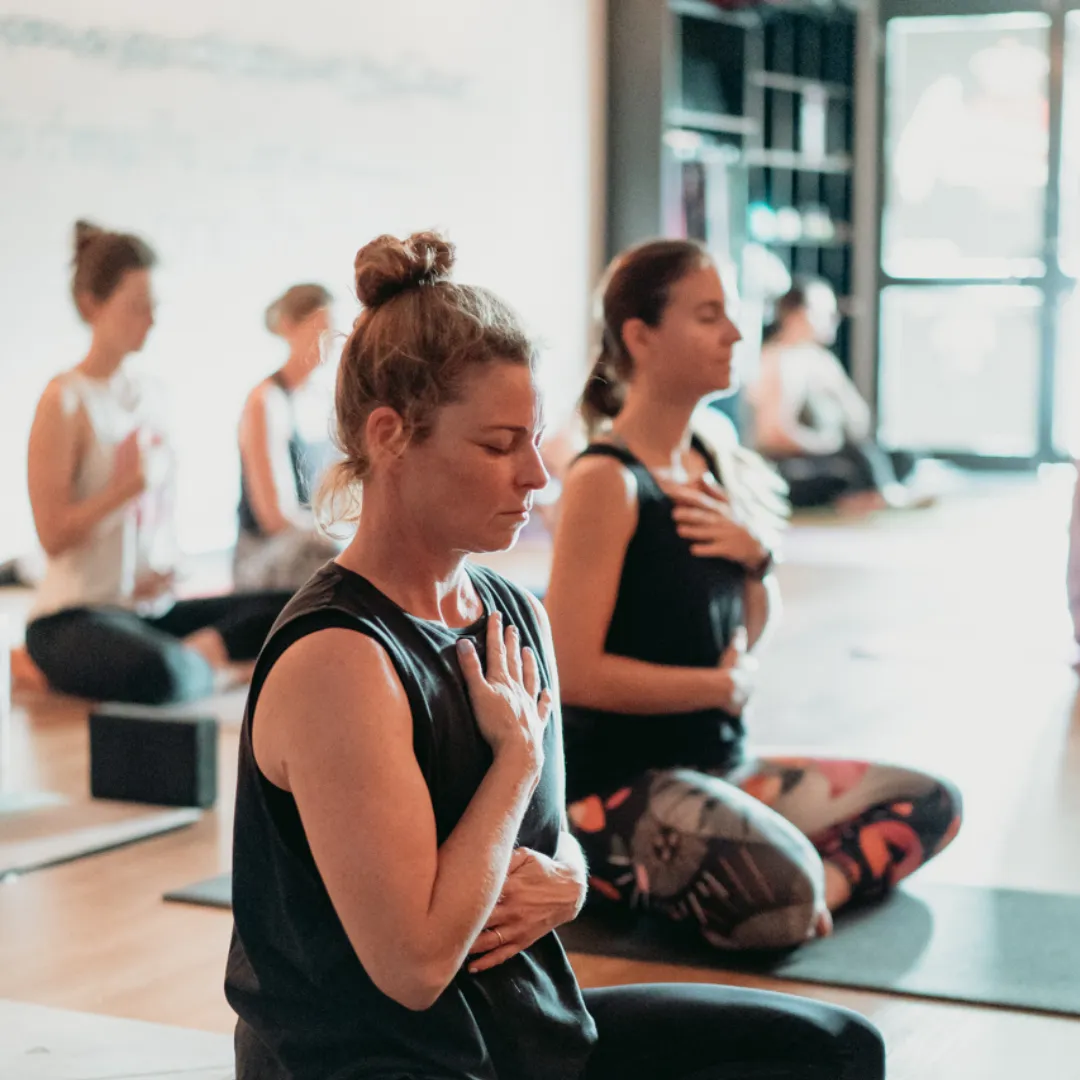
The Breath-Body Connection: Tuning Your Nervous System with Pranayama
In a world that’s always rushing—where emails, workouts, meetings, and endless notifications fight for your attention—your nervous system is taking a beating. You’re wired, tired, and craving a break… but don’t know how to slow down without losing your edge. This is where yoga’s most underused secret weapon comes in: pranayama—the science of breath control.
What Is Pranayama, Really?
Pranayama (pronounced prah-nah-YAH-mah) comes from two Sanskrit words: prana (life force or energy) and ayama (to expand or control). It’s not just breathing—it's intentional breathing designed to activate specific responses in your body.
This isn’t woo. It’s neuroscience.
Your breath directly affects your autonomic nervous system, which governs your stress and relaxation responses. Rapid, shallow breathing triggers the sympathetic nervous system (fight or flight), while slow, deep breaths activate the parasympathetic system (rest and restore).
In short: by learning to consciously control your breath, you regulate your entire nervous system—and with it, your mood, focus, energy, and emotional balance.
The Science Behind It
Modern research backs what yogis have known for centuries:
🔬 A 2018 study published in Frontiers in Human Neuroscience showed that slow breathing (around 6 breaths per minute) leads to improved emotional control and reduced anxiety.
🧠 Another study in the Journal of Clinical Psychology found that breath-based practices significantly reduce cortisol—the body’s primary stress hormone.
🫁 Breathing techniques like box breathing and alternate nostril breathing have been used in military, athletic, and corporate settings to improve focus and manage pressure.
Why You Feel the Way You Do
You wake up already feeling tense. You smash your workout but still feel edgy. You scroll for dopamine hits but end up drained. Sound familiar?
That’s dysregulation. Your body’s stuck in high alert. And without tools to down-regulate, you stay anxious, reactive, and over-caffeinated.
Yoga poses help. But how you breathe in those poses matters more. The breath is what shifts you from movement to transformation.
Practical Breathing Techniques to Try
Here are three pranayama practices you can start right now—no incense, Sanskrit, or leggings required.
1. Box Breathing (4-4-4-4)
Inhale 4 • Hold 4 • Exhale 4 • Hold 4
🔁 Repeat for 2–3 minutes
✅ Great before meetings, workouts, or when stress spikes.
2. Nadi Shodhana (Alternate Nostril Breathing)
Closes one nostril at a time to balance brain hemispheres.
⚖️ Calms the mind, sharpens focus.
3. Ujjayi (Ocean Breath)
Breathe through your nose with a slight throat constriction.
🌊 Boosts endurance and mental clarity. Used in most vinyasa yoga classes.
Your Nervous System Needs You
If you want to be more focused, energised, calm, or emotionally resilient—don’t just work out harder or meditate longer. Learn to use your breath like a dial.
Yoga isn't just about flexibility—it’s about regulation. Pranayama helps you hit the switch from chaos to calm, anytime, anywhere.
Ready to Breathe Better?
If you're curious about how to integrate breathwork into your lifestyle, drop in for a class. We weave simple breathing techniques into every practice so you leave feeling strong, grounded, and clear-headed.
✨Your next breakthrough might be just one breath away.
