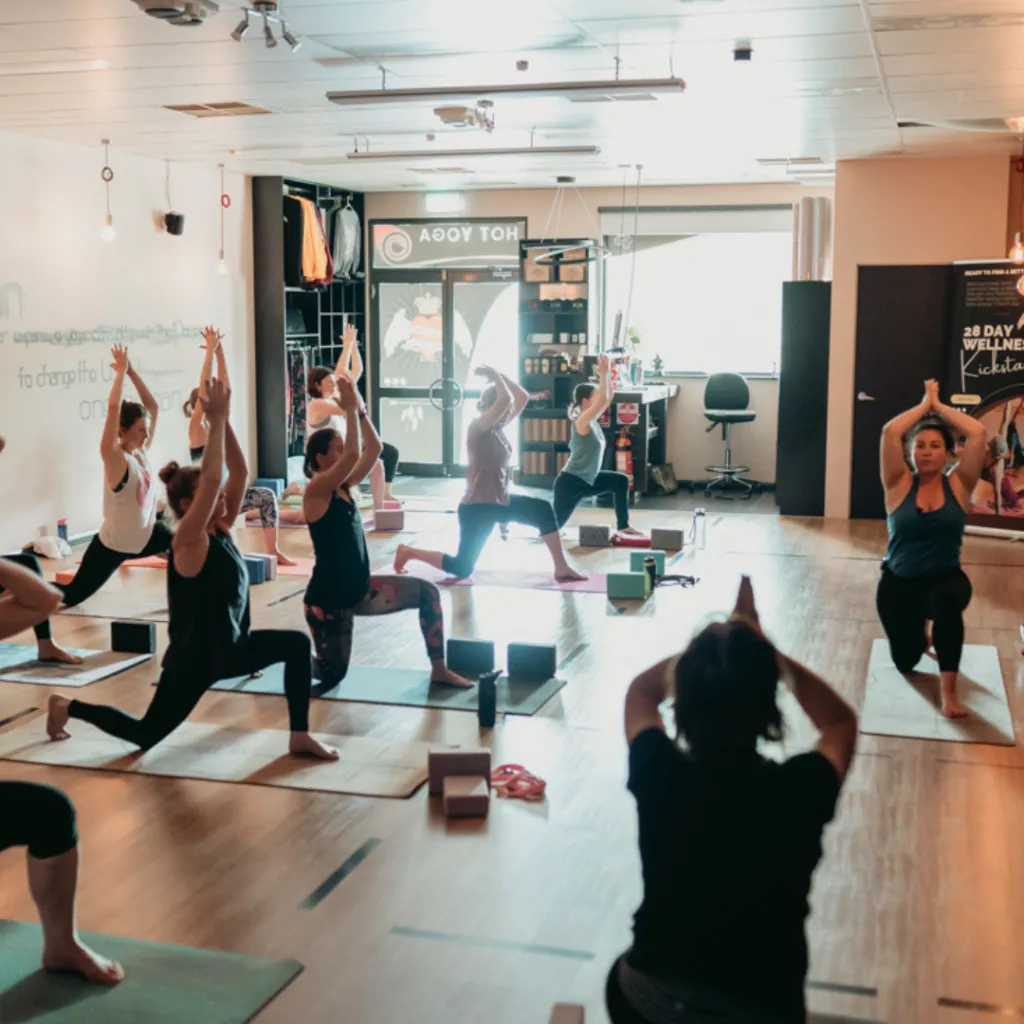
Kneeling Crescent Lunge: Strength, Stability, and Space in the Hips
Kneeling Crescent Lunge is a foundational yoga posture that builds strength, improves hip mobility, and reinforces proper alignment. By lowering the back knee to the ground while lifting the arms overhead, this pose creates a powerful combination of grounding and expansion. It allows practitioners to develop stability in the lower body while opening tight hip flexors and creating length through the spine.
In a world where many people spend hours sitting, the hip flexors shorten and the posture collapses forward. Kneeling Crescent Lunge counteracts this pattern by restoring balance to the front and back of the body. It teaches you how to stabilise through the legs while lifting through the torso, helping create a sense of both strength and lightness.
A Stable Foundation for Growth
Unlike High Crescent Lunge, where balance plays a larger role, Kneeling Crescent Lunge provides more support through the grounded back knee. This makes it an excellent posture for building confidence, refining technique, and safely increasing mobility. With the back knee anchored, you can focus on activating the core, aligning the spine, and deepening the stretch through the hips.
This pose also teaches an important lesson: strength begins with stability. By creating a solid base, the body can move and expand with greater control and efficiency.
Benefits of Kneeling Crescent Lunge
Opens Tight Hip Flexors
The gentle forward shift of the hips stretches the hip flexors and quadriceps, which often become tight from prolonged sitting.
Builds Strength in the Legs and Glutes
The front leg works to stabilise the body, strengthening the quadriceps, hamstrings, and glutes.
Improves Postural Alignment
Lifting the arms and lengthening the spine encourages proper posture and reduces the tendency to collapse forward.
Engages the Core for Stability
The abdominal muscles activate to support the spine and maintain balance.
Enhances Body Awareness and Balance
Even with the back knee grounded, maintaining alignment requires coordination and focus.
How to Practise Kneeling Crescent Lunge
Begin in a tabletop position on your hands and knees.
Step your right foot forward, placing it directly under your right knee.
Keep your left knee on the ground and untuck the toes so the top of the foot rests on the mat.
Engage your core and slowly lift your torso upright.
Raise your arms overhead with palms facing each other.
Keep the front knee stacked over the ankle and gently shift the hips forward.
Lengthen through the spine and keep the chest lifted.
Hold for 5–10 steady breaths, then switch sides.
Modifications and Tips
Place a folded blanket under the back knee for extra comfort.
Keep your hands on your hips if lifting the arms feels unstable.
Avoid overarching the lower back by gently engaging the abdominal muscles.
Focus on lifting upward through the torso rather than collapsing into the hips.
Use yoga blocks beside your front foot for additional support if needed.
When to Use Kneeling Crescent Lunge
This pose is ideal for warm-ups, mobility work, and building foundational strength. It works well in slower yoga sequences, rehabilitation settings, and beginner-friendly practices. It is also excellent preparation for more demanding standing lunges, balance poses, and deeper hip openers.
Conclusion
Kneeling Crescent Lunge is a simple but powerful posture that restores balance, strength, and mobility. It teaches you how to stabilise your foundation while creating space in areas that often become restricted. With consistent practice, this pose can improve posture, reduce stiffness, and build confidence in your body’s ability to move with control and ease.
