Utilizing Yoga Philosophy to Cultivate Patience in a Fast-Paced World
In a culture of instant results, two-day shipping, and endless scrolling, patience is quickly becoming a lost art. But while the modern world demands speed, the body, the heart, and the mind still move at a natural pace—one that can’t be rushed without cost.
Yoga, both as a physical practice and a philosophy, offers something revolutionary: the ability to slow down, stay present, and embrace the moment—even when it doesn’t give us what we want right away.
🧘♀️ The Roots of Patience in Yogic Philosophy
The ancient yogic texts don’t use the word “patience” exactly, but it’s embedded in the teachings.
Santosha (contentment) teaches us to find peace in the present moment, instead of chasing the next achievement or external marker of success.
Tapas (discipline) reminds us that growth happens over time, not in sudden leaps.
Ishvarapranidhana (surrender) invites us to trust the process and let go of control when outcomes aren’t immediate.
These principles guide us toward a quieter confidence: the kind that doesn’t need proof right now.
🔄 What It Looks Like on the Mat
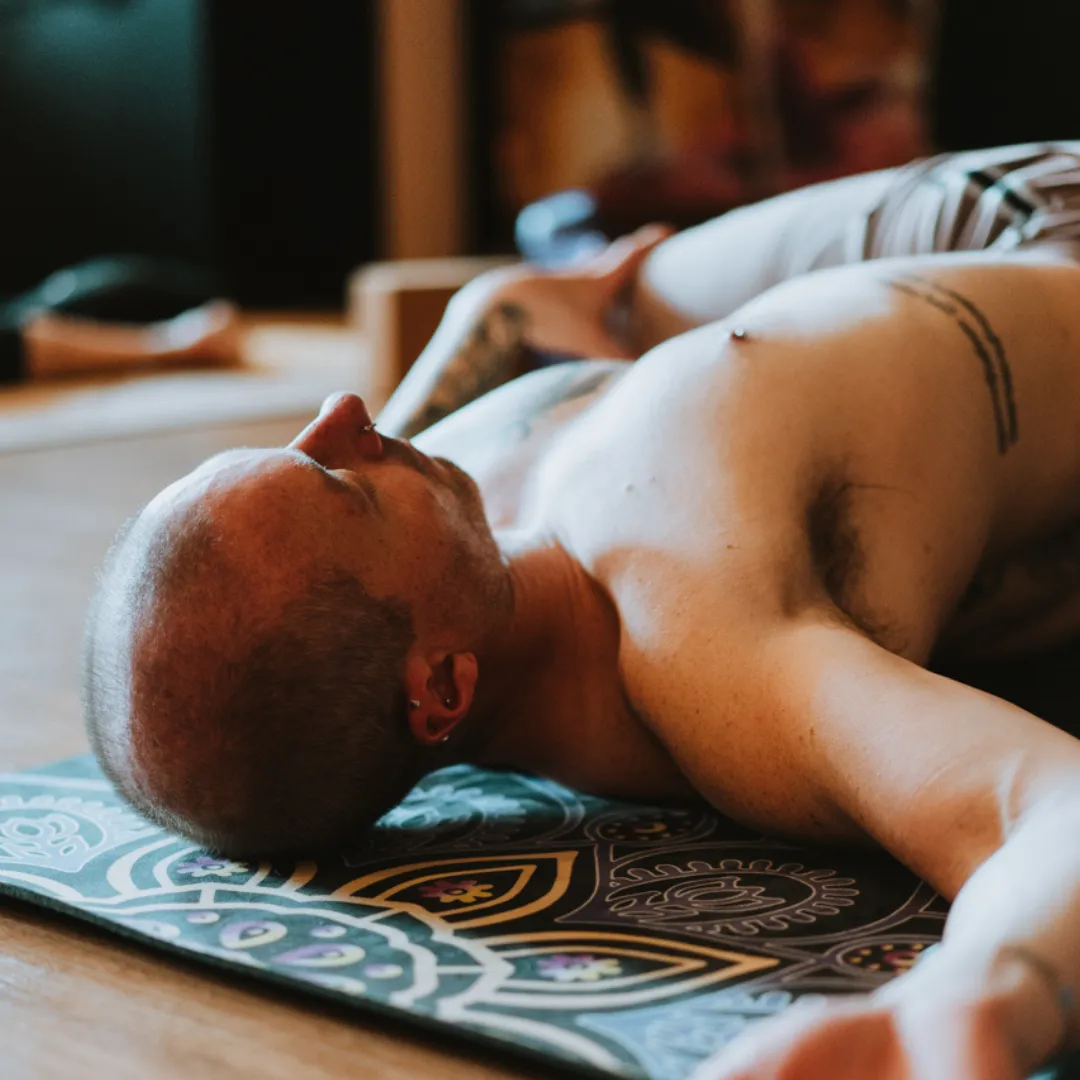
When you’re in a deep stretch, holding a pose that’s uncomfortable but not painful, your mind starts to wander: “Is this working? How long do I have to stay here?”
That moment—where you choose to breathe instead of fidget—is where patience is built.
Yoga teaches patience not through lectures, but through lived experience:
Staying present in stillness
Accepting where your body is today
Letting go of needing the pose to be perfect
Releasing comparison with the person on the mat next to you
Every inhale and exhale is a reminder: you are not in a race.
🧠 The Science Backs It Up
Neuroscience shows that mindfulness-based practices like yoga strengthen the prefrontal cortex—the part of your brain responsible for planning, impulse control, and emotional regulation.
When you're constantly rushing or multitasking, your brain stays in a low-level stress loop. But when you slow down and pay attention—especially during a yoga practice—you train your nervous system to tolerate the “in-between” spaces without panic or urgency.
That’s patience: your nervous system learning to wait without stress.
🛠 How to Practice Yogic Patience in Daily Life
Even if you never step into a studio, you can apply these tools:
Pause before reacting. When something frustrates you, take three slow breaths before responding.
Commit to a daily ritual. Show up for something consistently—like 10 minutes of yoga or meditation—without expecting instant transformation.
Practice gratitude. Shift from “what’s missing?” to “what’s here?”
Notice discomfort without needing to escape it. Whether it’s traffic or a tough conversation, presence builds patience.
💬 Final Thoughts: Slow Is a Superpower
Yoga doesn’t give you more time—it teaches you how to be in time. Fully. Honestly. With patience.
In a fast-paced world, slowing down isn’t lazy. It’s radical. And yoga makes it possible.
